From Field to Fabric: Why Traceability Now Requires Proof

“Traceability doesn’t need to be perfect, but it does need to be provable, especially when origin claims are tied to regulatory, legal, or reputational risk.”
Sustainability conversations across textiles and consumer materials have reached an inflection point. For years, supply-chain transparency relied heavily on documentation, certifications, and supplier declarations. Today, that model is no longer sufficient. Regulatory scrutiny is increasing, enforcement actions are becoming more sophisticated, and a simple question is being asked more frequently:
If you claim an origin, can you prove it?®
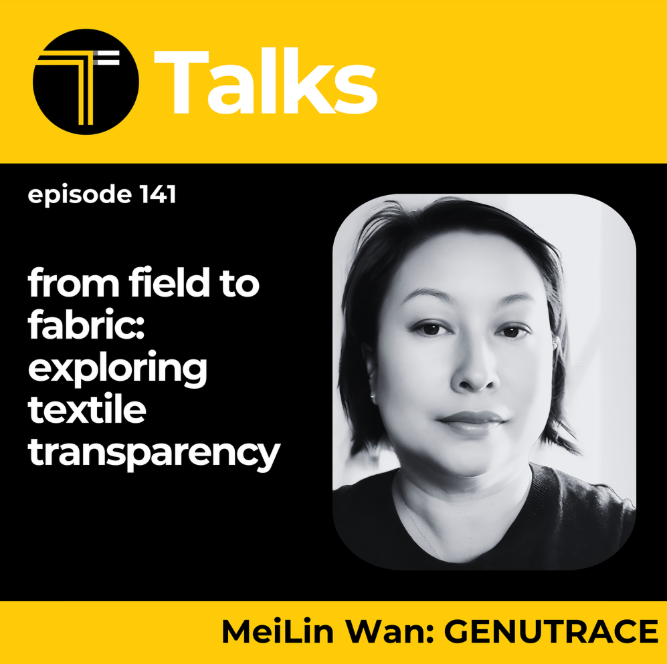
This question was at the heart of a recent conversation on Texintel Talks, where MeiLin Wan, Founder of GenuTrace, discussed how traceability is evolving from a paper-based exercise into a proof-driven discipline grounded in physical evidence and data integrity.
Why documentation alone no longer works

Documentation alone cannot answer where or when an origin claim broke down.
Modern supply chains are global, complex, and highly fragmented. Fibers and raw materials may pass through multiple countries, processors, and intermediaries before becoming finished products. Even well-intentioned suppliers can lose visibility as materials are blended, substituted, or re-routed upstream.
Traditional traceability systems, such as certificates, transaction records, and supplier declarations, remain important. But they are only as reliable as the information entered into them. When discrepancies arise, documentation often cannot answer where or when an origin claim broke down.
This gap has become especially visible as regulations such as the CSDDD and other due diligence frameworks place greater emphasis on defensible, audit-ready evidence rather than good-faith assertions.
Moving from claims to proof
Traceability does not need to be perfect, but it does need to be credible. Increasingly, credibility comes from combining digital supply-chain records with physical verification.
Physical verification tools, such as isotope testing, DNA markers, and other forensic techniques, allow materials to be tested against known reference datasets. Rather than relying solely on paperwork, companies can assess whether a material’s intrinsic properties are consistent with its claimed origin.
This shift is not about replacing existing systems. It is about strengthening them. When physical evidence is linked to transactional data, traceability becomes more resilient, more transparent, and far more defensible under regulatory or enforcement scrutiny.

GenuTrace’s cotton isotope testing for origin verification helps brands and manufacturers confirm the claimed origin of their products.

Traceability is a shared responsibility.
Not just a brand responsibility
A common misconception is that traceability rests solely with brands or retailers. In reality, effective traceability is a shared responsibility across the supply chain.
Textile suppliers, mills, processors, and manufacturers play a critical role in enabling proof-based traceability. When upstream partners participate in verification programs, by supporting sampling, testing, and data alignment, the entire supply chain benefits. Suppliers gain greater credibility, brands reduce compliance risk, and trust improves on both sides.
Rather than viewing traceability as a compliance burden, many suppliers are beginning to see it as a way to differentiate themselves in an increasingly regulated and competitive market.
Practical, fit-for-purpose traceability
One of the key themes of the discussion was pragmatism. Not every material, product, or risk profile requires the same level of testing or complexity. Effective traceability programs are fit-for-purpose designed around specific risks, claims, and regulatory expectations.
In practice, this often means:
Using physical stable isotope testing selectively, where origin risk or regulatory exposure is highest
Leveraging existing supply-chain data rather than rebuilding systems from scratch
Designing traceability so that evidence is understandable to auditors and regulators without extensive explanation
The goal is not to create friction, but to build confidence.
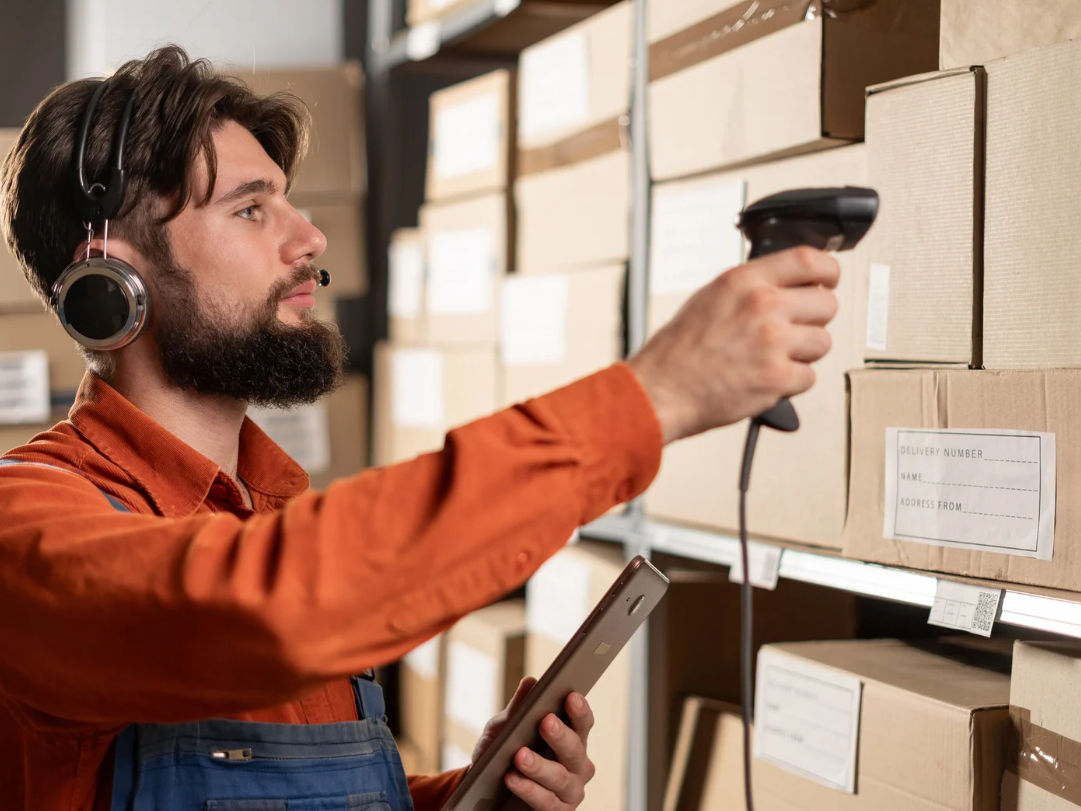
Effective traceability programs are fit-for-purpose.

The future of traceability lies in collaboration.
Looking ahead
As sustainability expectations continue to evolve, traceability will increasingly be judged not by the number of certificates collected, but by the strength of the evidence behind each claim.
The future of traceability lies in collaboration, between brands and suppliers, between digital platforms and physical science, and between commercial objectives and regulatory realities. Moving from field to fabric with integrity means accepting that proof, not promises, will define credible sustainability going forward.
This article accompanies the Texintel Talks podcast episode “From Field to Fabric: Empowering Sustainable Manufacturing with MeiLin Wan.”
About the Author
MeiLin Wan works at the intersection of forensic science, sustainability, and global supply chains. She is the Founder of GenuTrace, a boutique traceability consultancy focused on Genuine Traceability — a fit-for-purpose approach that combines physical verification, supply-chain intelligence, and digital tools to help companies move from claims to proof. GenuTrace supports brands, textile suppliers, and manufacturers globally in building credible, defensible, and future-ready supply chains.
If you are a brand, textile supplier, or manufacturer navigating origin claims, regulatory exposure, or traceability requirements, GenuTrace works with clients to design practical, evidence-led traceability programs tailored to real-world risks.
To learn more or start a conversation, visit www.genutrace.com or contact us at sales@genutrace.com.
“If you claim it, can you prove it?”® With GenuTrace, you can.