
Human Rights Day: Why Traceability Is More Than a System — It’s a Responsibility
Every year on December 10th, the world pauses to recognize Human Rights Day, marking the adoption of the Universal Declaration of Human Rights in 1948. It is a moment of reflection, accountability, and recommitment to the shared belief that dignity, fairness, and freedom are not privileges — they are rights.
Yet in today’s global supply chains, those rights are still not universal. Forced labor persists. Child labor persists. Exploitation persists. And in many cases, it hides in plain sight, obscured by long, fragmented supply networks, opaque subcontracting models, and documentation systems built on trust rather than verification.
At GenuTrace, Human Rights Day is not just a commemorative date on the calendar. It is a reminder of why our work exists and why traceability is not merely technical infrastructure — it is a human obligation.
Beyond Awareness: The Hard Reality of Hidden Labor
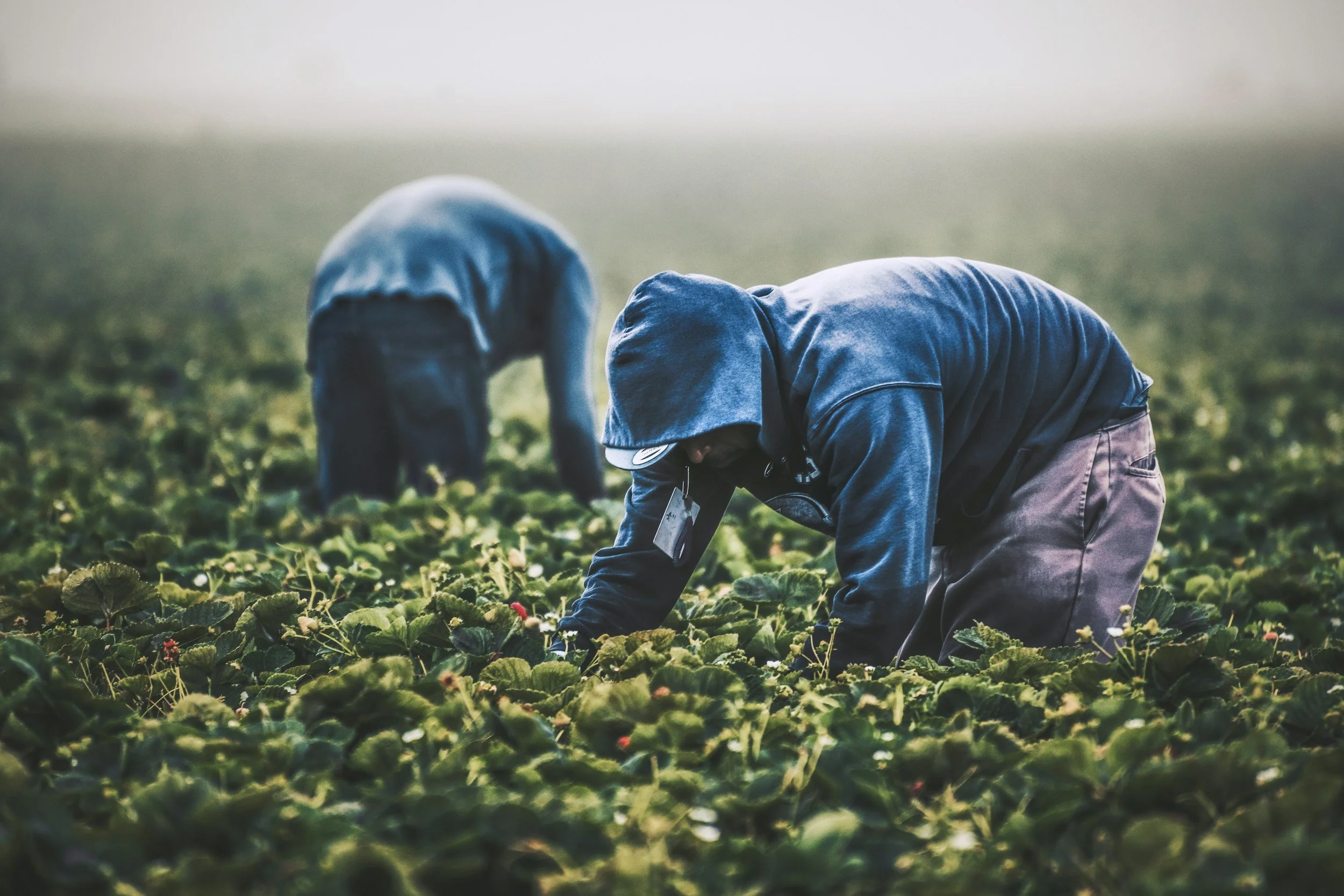
When we rely solely on paperwork, we leave space for exploitation. This is not a failure of tools — it is a failure of validation.
Despite progress in ESG reporting, modern slavery legislation, and corporate commitments, the uncomfortable truth remains: many brands still cannot confidently answer fundamental questions such as:
Where were my raw materials grown?
Who touched or processed them along the way?
Were human rights upheld throughout production?
The complexity of supply chains — cotton sourced from one country, spun in another, dyed in a third, sewn in a fourth — creates gaps where abuse can occur undetected. Documentation can be forged, certificates can be purchased, and audits can be bypassed or manipulated.
Traceability as a Human Rights Imperative
Human rights in supply chains are not protected by statements of intent — they are protected by evidence. Traceability gives us the ability to move from assumption to confirmation.
GenuTrace’s multi-proof-point traceability framework — combining intrinsic markers like isotopes and DNA, extrinsic tagging solutions, and digital systems — enables brands to verify origin, ownership, movement, and authenticity with scientific certainty.
This matters, because when we can verify where cotton, recycled polyester, leather, botanicals, or minerals originate, we can:
Identify high-risk geographies and labor models
Remove opacity and subcontracting blind spots
Hold actors accountable across every tier
Build trust with regulators, customers, and communities
Protect the people behind the products
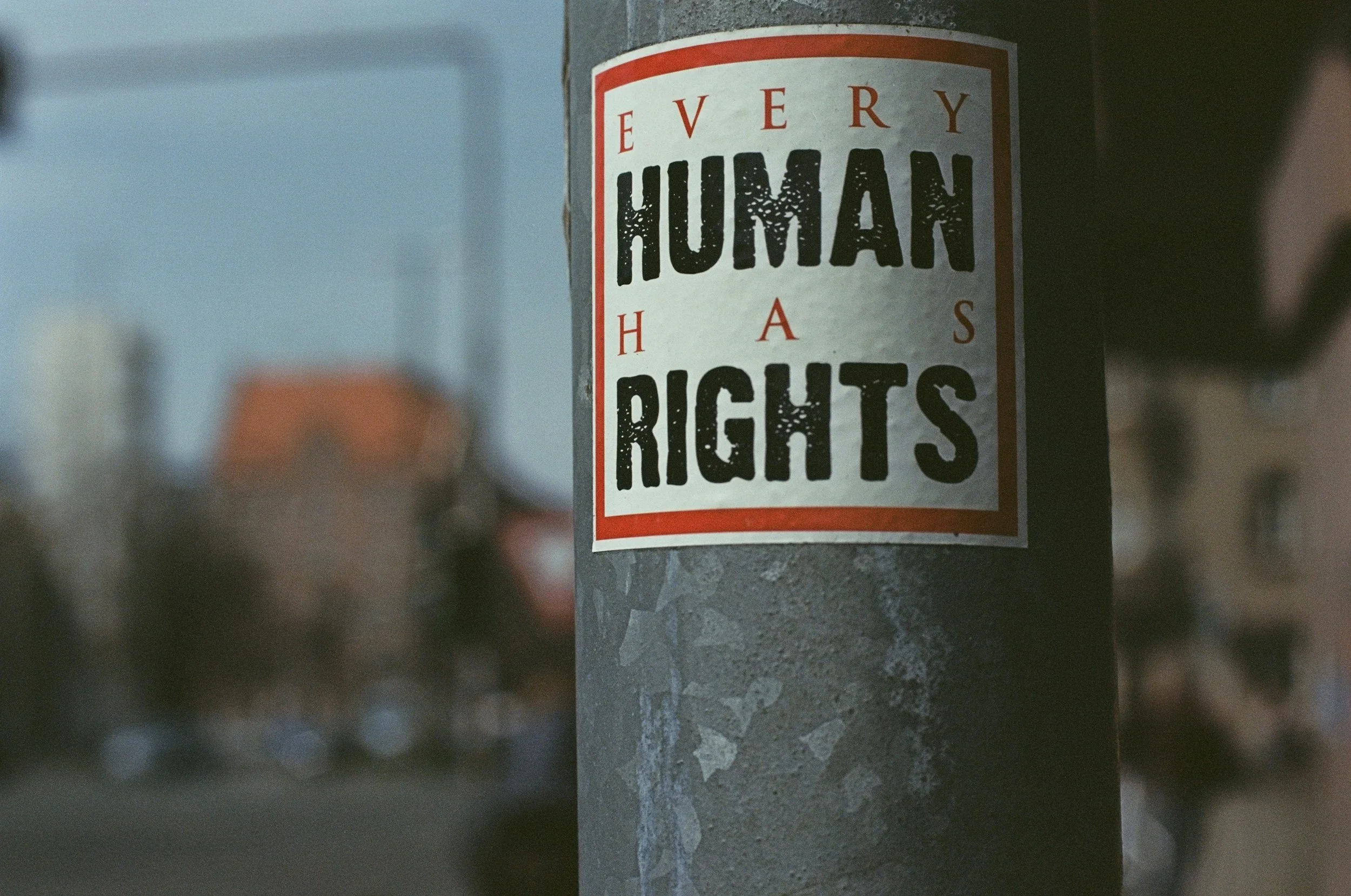
Traceability doesn’t solve human rights violations on its own — but it prevents the conditions that allow them to remain invisible.
From Compliance to Care

True leadership is not only preventing forced labor — it is uplifting the communities and workers who make the global supply chain possible.
For years, compliance frameworks have been treated as a box-checking exercise. But Human Rights Day reminds us: compliance is not the finish line — it is the minimum standard.
As regulatory landscapes shift, such as the EU Forced Labour Regulation and expanding global due diligence requirements, the industry is entering a new era.
In this era, the question is no longer: “Do we have the paperwork?”
It has become: “Can we prove it?”
And beyond that: “Can we prove it without harming the people whose livelihoods depend on this system?”
A Commitment Worth Making
Human Rights Day is an invitation — not just to remember the values written in the Declaration, but to act in accordance with them.
We believe every company has a moral and operational responsibility to ensure that human dignity is preserved throughout the value chain — from farm to factory to finish.
And we believe the path forward is built on evidence, transparency, and collaboration.
At GenuTrace, we honor the people behind every product.
We acknowledge the progress still required.
We reaffirm our commitment to a future where human rights are not aspirational — but intrinsic.
“If you claim it, can you prove it?”®
GenuTrace ensures you can.
Contact GenuTrace to start verifying at the source
📧 sales@genutrace.com | 🌐 www.genutrace.com

Trust is earned — and proof powers trust.
