
How Interloop Regen Kapas, Looptrace, and Digital Transparency Are Reshaping Cotton Supply Chains
The textile industry is shifting. Regulators are raising expectations, brands are being held accountable, and consumers are no longer satisfied with promises—they want proof.
Sustainability and traceability are no longer parallel conversations; they are now inseparable. Cotton sits at the center of this change, and companies that can demonstrate where, how, and under what conditions their materials are made are defining the future.

Know Your Cotton Supply Chain
Images courtesy of Interloop at https://activewear.interloop-pk.com/
Interloop Limited is one of those leaders. With a vertically integrated business model, regenerative farming through its Regen Kapas programme, a purpose-built traceability platform called Looptrace, and early adoption of Digital Product Passports (DPPs), Interloop has created a connected system that brings visibility and verification to every stage of the cotton journey.
Regen Kapas: Regenerative Cotton Rooted in Real Impact
Regenerative agriculture is often spoken about as an aspiration, but Interloop Regen Kapas is one of the few large-scale programmes in the region proving it can be done in practice.
Launched in southern Punjab, Pakistan, Regen Kapas currently spans over 6,000 acres, engaging 1,000 smallholder farmers in partnership with REEDS Pakistan. While Interloop had already achieved EU organic certification for its organic cotton, Regen Kapas pushes further, shifting from input control to system restoration.
The results are tangible:
Soil organic matter is rising
Water use is decreasing
Farmers’ costs are falling
This year alone, the programme produced over 1,700 tonnes of fully traceable cotton lint, all verified under Regenagri, the global standard for regenerative agriculture.

Perhaps most importantly, the model strengthens farmer livelihoods. Regen Kapas demonstrates that better farming isn’t just better for soil, it can be equitable, scalable, and economically viable.
Looptrace: Connecting Every Step of the Cotton Journal with Digital Traceability
Traceability is powerful when it follows the material — not just the paperwork.
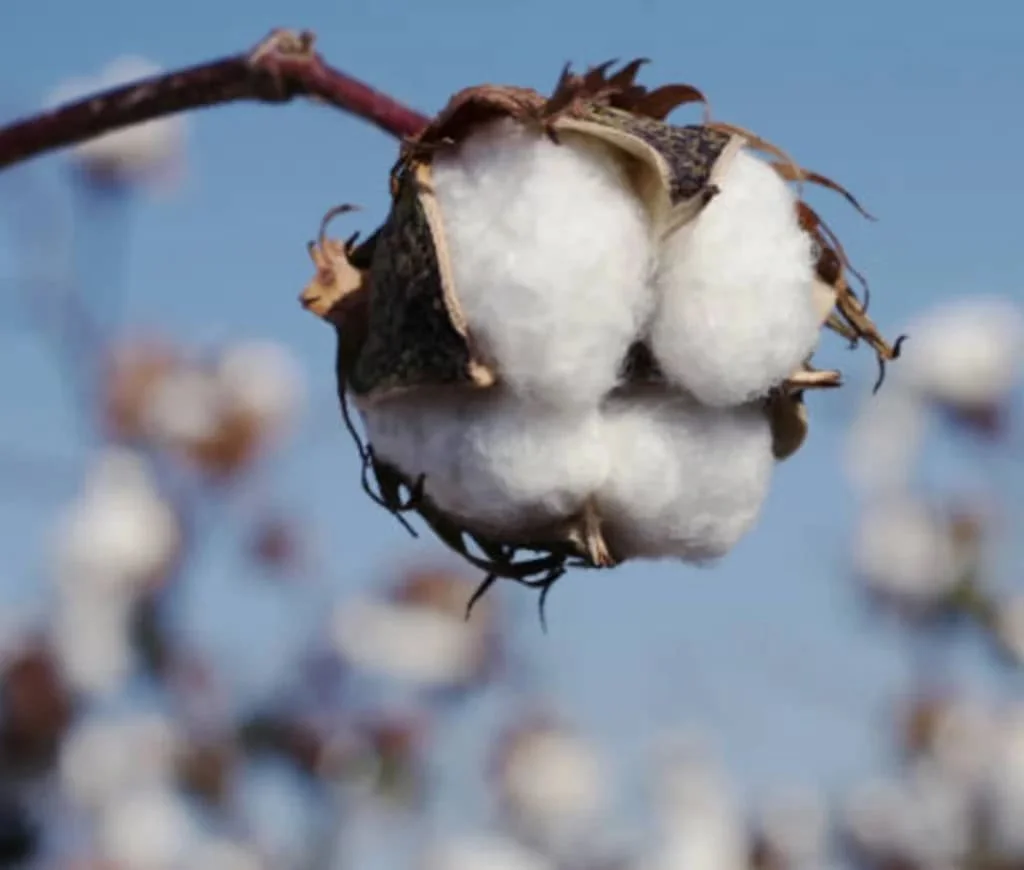
Interloop’s proprietary cotton traceability platform, Looptrace, ensures transparency from the field to the finished product.
Looptrace captures information at every stage of the cotton supply chain, starting from farmer and ginners to spinning, knitting, dyeing, and finishing. Each batch of cotton can be digitally followed as it moves through Interloop’s operations across Pakistan and beyond.
The result is a single, multi-material integrated traceability system that delivers:
Verified chain-of-custody
Material origin tracking
Digitized processing data
Brand-ready transparency outputs
One example stands out: every Nike sock manufactured by Interloop can be traced back to its originating yarn source. The traceability performance earned Interloop formal recognition in Nike’s Supplier Showcase—a signal that Looptrace meets the expectations of the world’s most demanding supply chains.
In a landscape where claims must be validated, Looptrace shifts traceability from aspirational marketing to verifiable evidence.
Digital Product Passports: A New Era of Transparency
As the European Union rolls out regulations requiring Digital Product Passports (DPPs), the apparel industry faces one of its most transformative shifts. Products will soon need to carry verifiable data on materials, origin, environmental impact, and end-of-life instructions.
Interloop is already ahead of this shift.
In partnership with Socklab® and GS1 Netherlands, Interloop developed a pilot DPP for its fully biodegradable sock — accessible through a simple QR code. The passport displays verified information on:
Fibre source (including Regen Kapas and organic cotton)
Process inputs and environmental data
Traceability records captured through Looptrace
End-of-life guidance
Looptrace already contains the core data elements required for DPP compliance in 2027 and is being expanded to meet the additional requirements planned for 2030 and 2033.
This level of transparency aligns with emerging regulatory expectations, as well as growing consumer demand. As DPP requirements scale globally, Interloop’s traceability-anchored approach ensures brands can comply without disruption.
A Practical Vision for Scalable Traceability
Interloop believes that transparency should empower, not overwhelm, the cotton supply chain. Traceability is most effective when it is usable, scalable, and grounded in operational reality.
Because Looptrace is already built and functioning at scale, brands can connect into a proven ecosystem rather than rebuild one. Organisations like GenuTrace can help support brands in understanding, integrating, and leveraging Interloop’s established system, especially when additional scientific verification is needed for compliance or risk mitigation.
As expectations grow, this combined approach, digital traceability with optional scientific confirmation, creates a model that is both rigorous and practical.
Traceability Moves from “Nice to Have” to “Business Critical”
Brand adoption is often the real test of whether a sustainability model works.
Hugo Boss: Scaling Regen Kapas
Regen Kapas is now being onboarded into Hugo Boss’s supplier base, creating a pathway to integrate regenerative materials into their premium product lines. The brand is collaborating with Interloop to layer its own sourcing standards onto the Regenagri system, thereby strengthening verification and accelerating the model’s growth.
Nike: Traceability at Production Scale
With Nike, Looptrace provides full visibility into yarn and material flows, enabling a level of transparency that goes beyond certifications and into operational reality.
These partnerships make one thing clear: regenerative agriculture and supply chain transparency are no longer future goals; rather, they are immediate brand priorities.
Interloop Traceability Video
The Road Ahead: A More Transparent, More Regenerative Textile System
Regenerative farming, digital traceability, and product-level transparency are converging, and transforming global supply chains.
Interloop’s model offers a blueprint:
Regenerate where cotton begins (Regen Kapas)
Digitise the entire journey (Looptrace)
Verify and disclose through emerging tools like DPPs
Partner with brands to scale (Hugo Boss, Nike, Target, adidas, and others)
Innovate through materials, circularity, and low-impact processing
This is not about compliance—it is about resilience, responsibility, and leadership. As the industry moves into a new era defined by evidence, the companies that can prove their claims will be the ones that earn trust, loyalty, and long-term advantage.
Contacts:
Interloop North America
102 W 3rd St 200, Winston–Salem. NC 27101, United States
E-mail: hmcduff@il-na.com
Phone: 1 336 770 1666 Website: www.il-na.com
