
By Jane Palmer, CEO Nature Coatings
As brands look to phase out fossil-derived ingredients and meet new regulatory expectations, material verification has moved from a back-office exercise to a central part of business strategy. Nature Coatings’ BioBlack platform, a 100% biobased line of pigments made from FSC certified wood waste, is emerging to accelerate that shift. It offers traceable origins, clean chemistry, and a verified emissions profile at a moment when companies are being asked by global regulators and consumers to verify what their products contain.
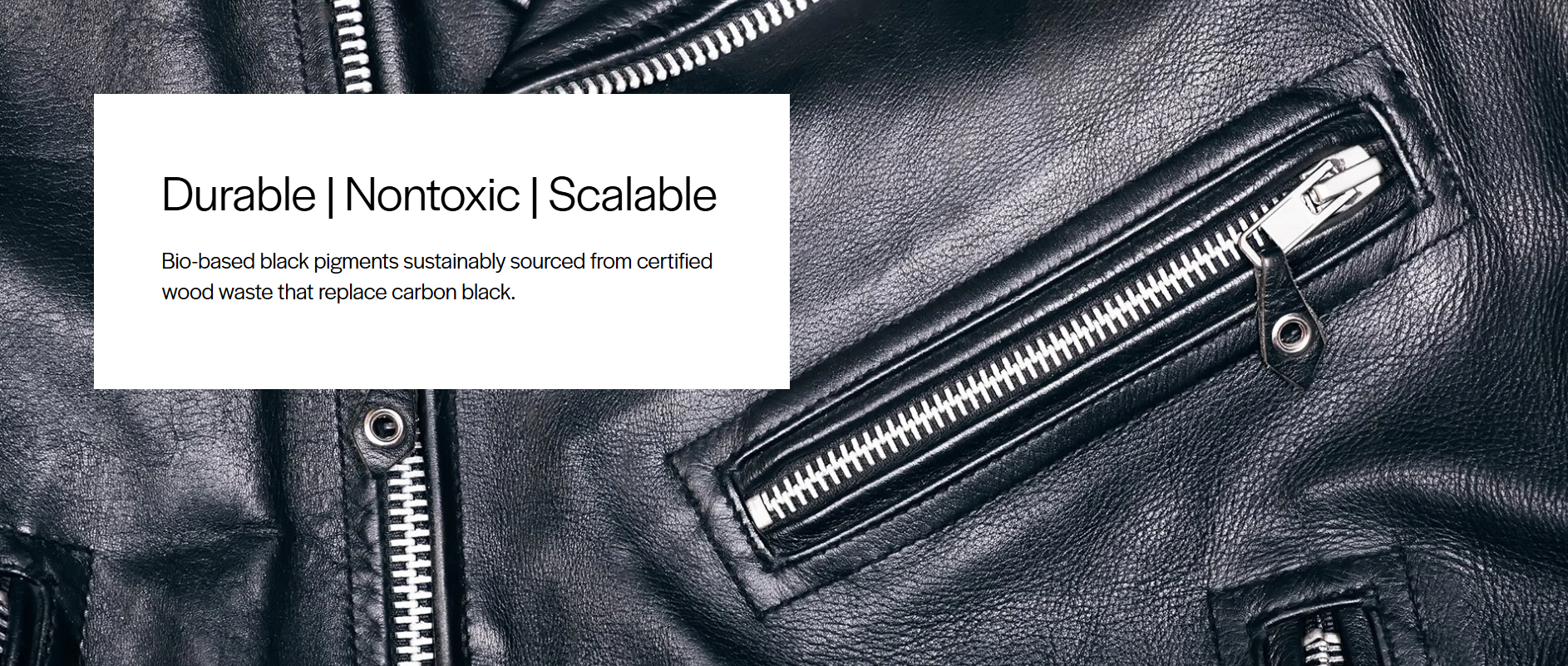
Images courtesy of Nature Coatings at https://www.naturecoatingsinc.com/
The Challenge: An Opaque Legacy Material
Black pigments are among the most widely used colorants in the world, yet their sourcing often remains hidden from view.
For decades, petroleum-derived carbon black has been the industry status-quo across packaging, textiles, inks, cosmetics, and coatings. Manufacturers have relied on it, despite a toxic legacy, not because it was transparent or clean, but because it was ubiquitous and easy to specify.
Carbon black is produced through the incomplete combustion of fossil feedstocks, a process known to generate harmful byproducts such as PAHs, residual VOCs, and other contaminants. Many formulations also utilize nano-scale particles or PFAS-based treatments that raise concerns for both human and environmental health. As more regions introduce strict rules governing chemical transparency and material disclosure, this legacy pigment no longer aligns with the direction of global regulation.
The result is a growing gap between what brands need—clear, verifiable, compliant materials—and what traditional pigments can provide.
The Innovation: A Fully Traceable Biobased Pigment
BioBlack was developed to close that gap. Instead of fossil combustion, the pigment is created through a controlled thermal conversion of certified wood waste, producing a stable, rich pigment that can be used across the same industries carbon black has historically served. The process was designed from the ground up to document every stage, giving manufacturers visibility into the sourcing, production steps, and safety profile of the ingredient.

This commitment to transparency allows BioBlack to meet rising demand for verifiable materials. Each batch originates from clean, biogenic feedstock, and the company’s manufacturing system is engineered to avoid the contaminants common in conventional pigments. Independent lifecycle assessments show the pigment carries a net-negative carbon footprint, while third-party testing confirms the absence of detectable PAHs, nanomaterials, PFAS, VOCs, and heavy metals.

The result is a black pigment with a traceability foundation built into its design, not added later as documentation.
Why It Matters: Reducing Risk in a High-Scrutiny Era
Traceability has become a way to reduce both compliance and reputational risk. When companies can show clear sourcing, safe chemistry, and measurable impact, they gain confidence in their supply chain and credibility with their customers.
BioBlack gives manufacturers a documented alternative to fossil-based colorants, one that fits within new regulatory pathways for textiles, cosmetics, packaging, and coatings. With clear data around feedstock origin and emissions performance, companies can support their Scope-3 reporting while avoiding the hidden liabilities associated with traditional pigments. In an industry where many ingredients still operate behind a curtain, the ability to verify an entire pigment pathway becomes a strategic advantage.
Global Applications: Meeting Industry Needs Across Sectors
The demand for traceable materials spans multiple markets, each with its own regulatory pressures and consumer expectations. Textile manufacturers are under increasing scrutiny to disclose chemical inputs and reduce emissions. Cosmetic formulators are phasing out ingredients associated with toxicity or nano-scale risks. Packaging producers must comply with food-contact standards and avoid persistent chemicals that may influence recyclability and end-of-life outcomes.
BioBlack fits into each of these sectors by combining performance with verifiable sourcing and safety. Its chemical profile enables its use in sensitive applications, while its biobased origin supports broader circularity goals. For brands looking to align material selection with climate commitments, a traceable, low-carbon pigment provides a meaningful step forward.
A Founder’s Perspective: When Transparency Becomes a Design Principle
Nature Coatings CEO Jane Palmer’s work in fashion and printing exposed her to the disconnect between the deep black colors used across industries and the lack of transparency behind them. The pigments that defined modern manufacturing were often produced through processes far removed from the values brands wanted to communicate.
That experience shaped the development of BioBlack. Rather than attempt minor improvements to the existing system, Palmer and her team approached the problem from first principles: could a pigment be clean, high-performing, and fully traceable? Could the industry shift away from fossil-based combustion without compromising on quality?
Their answer forms the foundation of BioBlack, and it has influenced how manufacturers think about material accountability.

“BioBlack is proof that high-performance materials can scale to meet global demand without compromise. We prioritize the durability and utility that industries require, backed by the unique ability to trace our pigments directly to their sustainable origins.”— Jane Palmer, Founder & CEO, Nature Coatings
The Bigger Picture: Traceability as a Material Standard
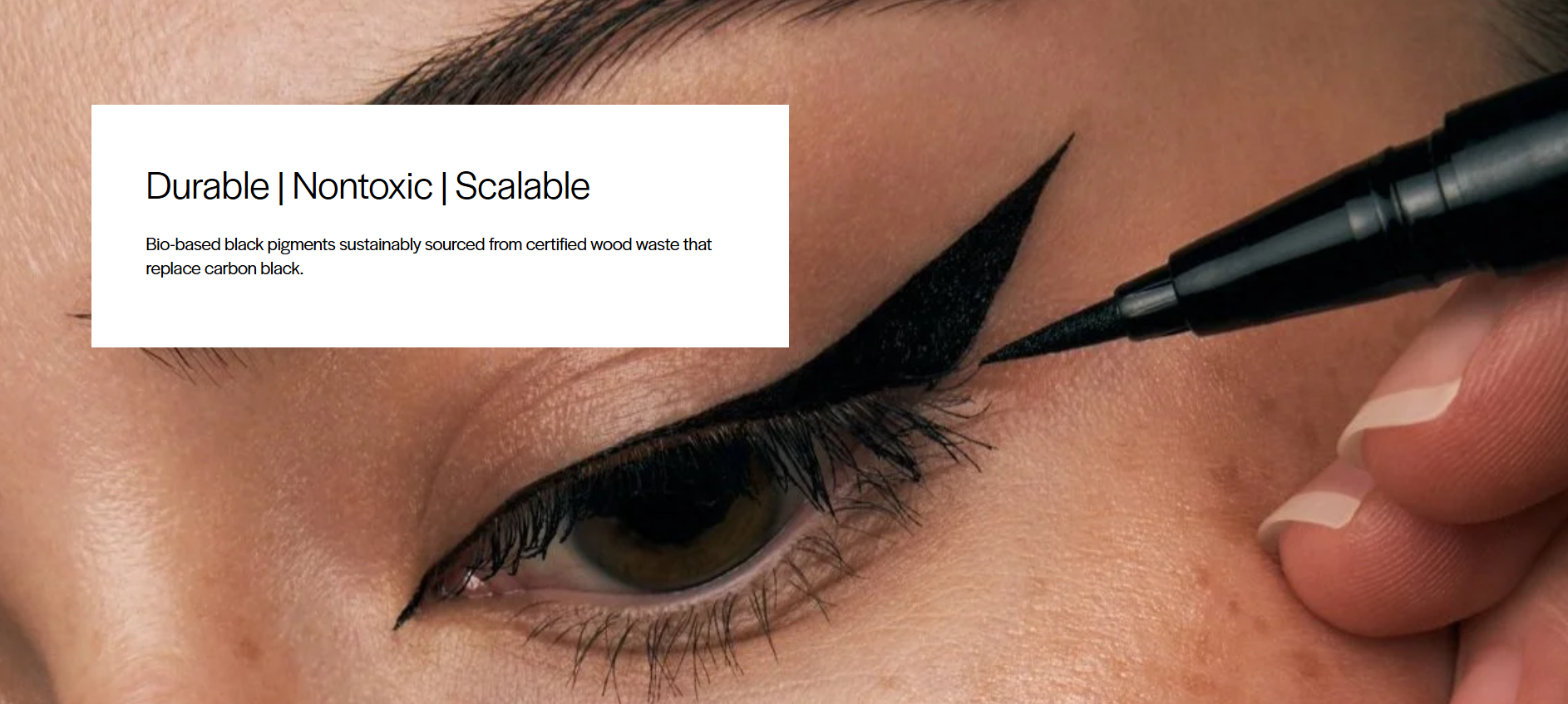
Across continents, regulators are tightening rules around chemical safety, environmental disclosure, and corporate responsibility. Investors are pushing companies to demonstrate measurable progress on climate targets. Consumers are increasingly aware of the materials behind the products they purchase.
In this context, pigments are becoming more than a technical ingredient; they are a symbol of the broader transition toward responsible materials. BioBlack illustrates what that future can look like: a pigment that performs to industry standards while offering a clear, data-driven story about where it comes from and how it was made.
As brands confront new expectations and adopt more rigorous review of their supply chains, traceable materials will define the next era of manufacturing. BioBlack is positioned as part of that shift, offering companies a way to align performance, transparency, and climate responsibility without compromise.
As more companies adopt materials like BioBlack, the next evolution is ensuring those traceability claims can be independently verified. That’s where organizations such as GenuTrace are playing a critical role. GenuTrace applies advanced forensic science—such as stable isotope analysis, molecular markers, and digital traceability frameworks—to confirm the true geographic and material origin of ingredients. For brands integrating next-generation bio-based materials, this level of proof strengthens transparency claims, supports compliance documentation, and ensures the integrity of sustainability narratives from input to finished product.
Contact GenuTrace:
general & customer sales inquiries: sales@genutrace.com
Contact Nature Coatings:
general & customer service general & sales: hello@naturecoatingsinc.com
technical questions: technical@naturecoatingsinc.com
press contact: press@naturecoatingsinc.com
