
Top 3 Traceability Trends to Watch This Year
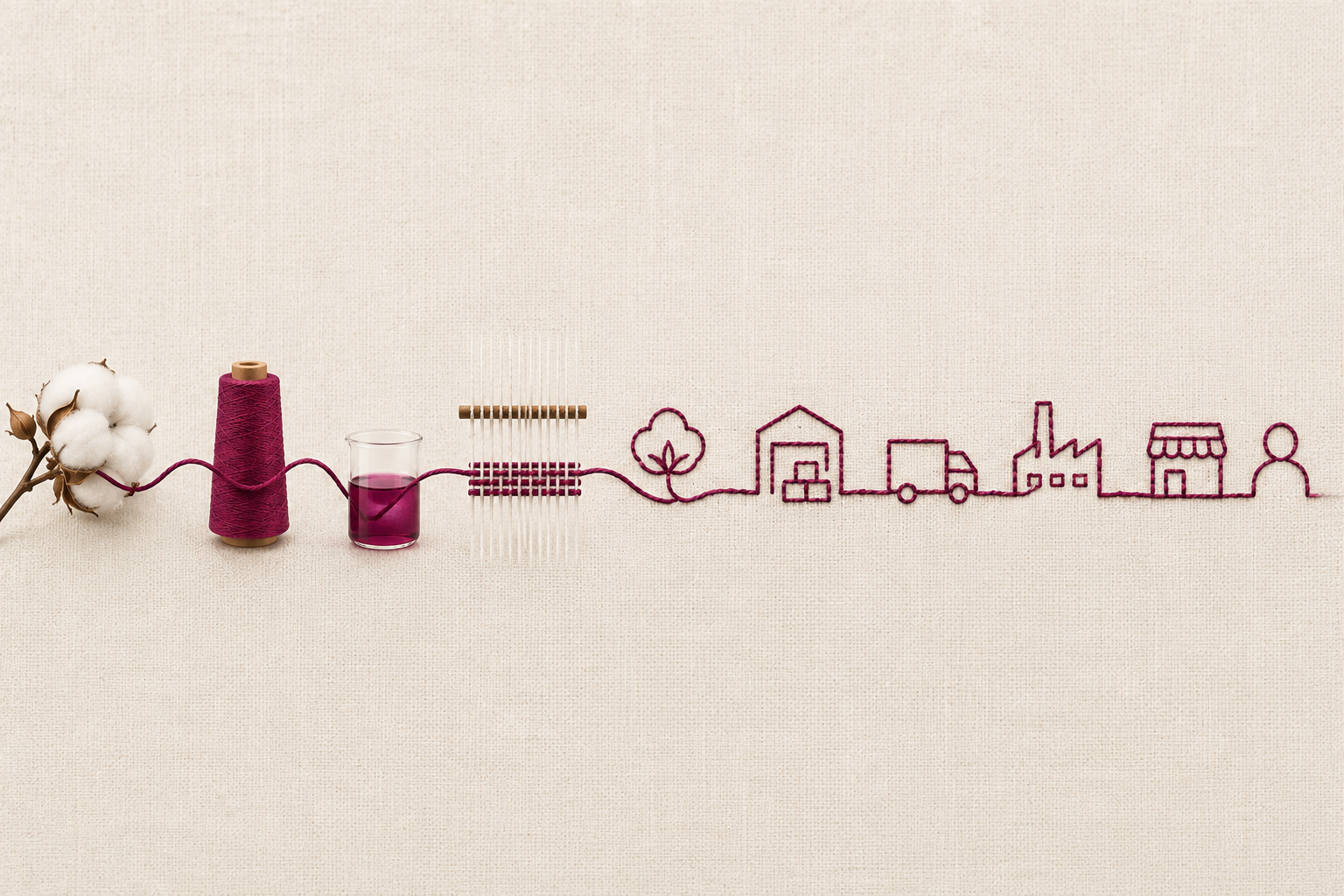
GenuTrace helps companies identify the claims that matter, understand the risks attached to them, and determine the most appropriate methods and evidence needed to substantiate those claims.
Supply-chain compliance is no longer defined by a single regulation or a single risk.
Companies are increasingly being asked to substantiate where materials came from, how they were produced, whether environmental and human-rights requirements were met, and whether the claims made to regulators, customers and consumers can withstand scrutiny.
Here are three shifts we are tracking, and why they matter to anyone sourcing cotton, timber, or other natural materials right now.
#1. If you claim it, you own it.
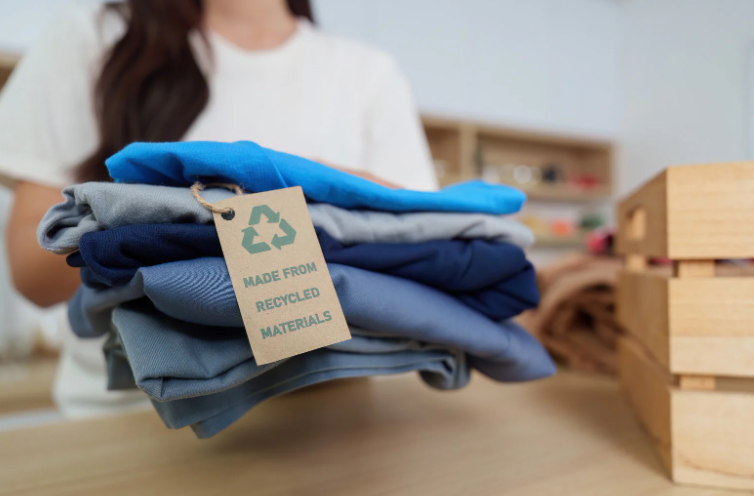
Origin. Sustainability. Recycled content. Deforestation-free. Forced-labor free. Responsible sourcing.
The moment a company makes a claim about its product or supply chain, it owns the responsibility for proving it. That is where we start which is with the claim itself.
What exactly are you trying to prove? Where was the material grown? Is it really recycled? Does the sourcing claim match the physical product? What regulatory, commercial or reputational risk sits behind that claim?
GenuTrace helps companies identify the claims that matter, understand the risks attached to them, and determine the most appropriate methods and evidence needed to substantiate those claims.
Sometimes that means isotope analysis. In other cases, it may involve DNA or molecular tagging, chain-of-custody documentation, transactional data, supplier records, or a combination of approaches.
A certificate or supplier declaration may be part of the evidence — but increasingly, documentation alone may not be enough. Regulators, retailers, customers and consumers are asking a harder question:
Can you substantiate the claim with independent evidence?
Because today, getting the claim wrong can mean more than a detained shipment. It can mean rejected goods, lost customers, allegations of greenwashing or unethical sourcing, regulatory scrutiny, and damage to brand trust that can take years to rebuild.
If you claim it, you own it. And increasingly, you need to be able to prove it.
#2. The strongest evidence is layered.

Product verification is an important par of proving your claims from source to shelf.
If you have ever watched a crime scene investigation on TV, you know that investigators rarely rely on just one piece of evidence. They look at CCTV footage, fingerprints, hair, DNA samples, witness accounts and other clues to build a more complete picture of what happened.Supply-chain verification works in much the same way.
A test result, purchase order, certification or supplier declaration can each answer part of the question, but no single piece of evidence tells the whole story.
That is the idea behind what Genutrace calls the “Evidence Ecosystem”: physical evidence, transactional records, documentary evidence, temporal consistency and risk context working together to substantiate a claim.
The more independent evidence points align, the stronger and more defensible the conclusion becomes. As global compliance requirements increasingly overlap, companies need evidence that can stand up not just to one regulation, but to regulatory, commercial and reputational scrutiny.
#3. Where digital meets physical proof.

Digital traceability and physical verification are strongest when they work together.
A QR code can connect a product to its digital identity, but the digital record is only as credible as the evidence behind it. Physical verification, such as isotope analysis, DNA or molecular tagging, helps substantiate that the material is what the data says it is.
At the same time, physical test results need a digital system that can connect them to the product, preserve the evidence and make it accessible when it matters. One needs the other. Digital traceability provides the connection. Physical verification provides the proof.
Together, they create a more transparent, sustainable and defensible system for supporting product claims throughout the supply chain. That is why connecting forensic test results to a digital product identity is such an important trend to watch: it ensures the evidence behind a claim is not sitting in a silo, but can be accessed when a regulator, retailer, customer, auditor or consumer needs it.
The common thread: claims without proof are running out of road.
The risk is no longer limited to a shipment being detained. An unsupported origin, sustainability or sourcing claim can also lead to customer disputes, retailer scrutiny, allegations of greenwashing or misleading claims, supply disruption and loss of brand trust. If your supply-chain claim cannot withstand independent scrutiny, it is worth finding that out before a regulator, customer, retailer, investor, journalist, or consumer, does.
Contact us to learn how you can developed a Genuine Traceability strategy at sales@genutrace.com
Further reading:
Want these trends in your inbox as they develop? Subscribe to Genuine Buzz, GenuTrace’s newsletter, for the stories behind the science.
