
The New Importer Playbook: A Q&A with Anthony DeFilippis of CargoTrans
GENUTRACE INSIGHTS SERIES
This article is part of GenuTrace Insights, an ongoing series exploring the forces reshaping supply chain traceability, risk and compliance, featuring perspectives from GenuTrace's team and expert contributors.
October 16, 2026 · @MeiLin Wan @AnthonyDeFilippis
A companion to the GenuTrace Insights video conversation
The rules of global trade have changed, and importers who are still running the old playbook are exposed. That is the central message from Anthony DeFilippis, Co-CEO of CargoTrans, in our latest GenuTrace Insights conversation.
CargoTrans has operated since 1989. It began as a customs brokerage and still considers customs its core, even as it has grown into nearly every part of the supply chain. Its focus is the small and mid-market importer: the business that faces the same tariffs, enforcement and traceability demands as a global retailer, but often without the same access to strategic advice.
This article expands on the GenuTrace Insights video. It gives us room to go deeper on the points Anthony raised, and to connect them to what we see every day at GenuTrace: the shift from making a claim to proving it.
What makes CargoTrans different from other customs brokers?
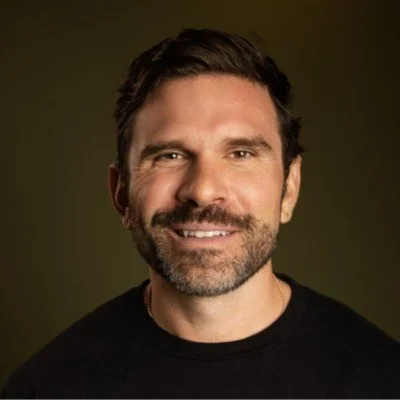
Anthony DeFilippis: We’ve been in business since 1989, and we started as customs brokers. We’ve since become involved in every aspect of the supply chain, but customs is still our core.
What sets us apart is who we serve. We focus on small and mid-market businesses because they are often underserved. They don’t get the strategic advice that much larger companies get, and that leaves them at a real disadvantage.
A large retailer has an in-house trade compliance team. A mid-sized importer often has one person juggling logistics, purchasing and compliance at once.
Right now there is a lot of noise: tariffs, enforcement actions, new rules and regulations, changing constantly. Our job is to bring clarity to the chaos. That means explaining what a regulation or tariff actually says, then showing the client how it affects their business and what they can do about it. Information is only useful if it is actionable.
You’ve said the “rules of the game” have changed. Can you tell us what has actually changed?
Anthony DeFilippis: Over the last two years, the rules have changed a lot, not only in the United States but around the world. It isn't just tariffs. Enforcement and traceability have changed just as much.
Customs has more power today, especially in the US, and the proof it asks for has changed. It used to be enough to describe the product.
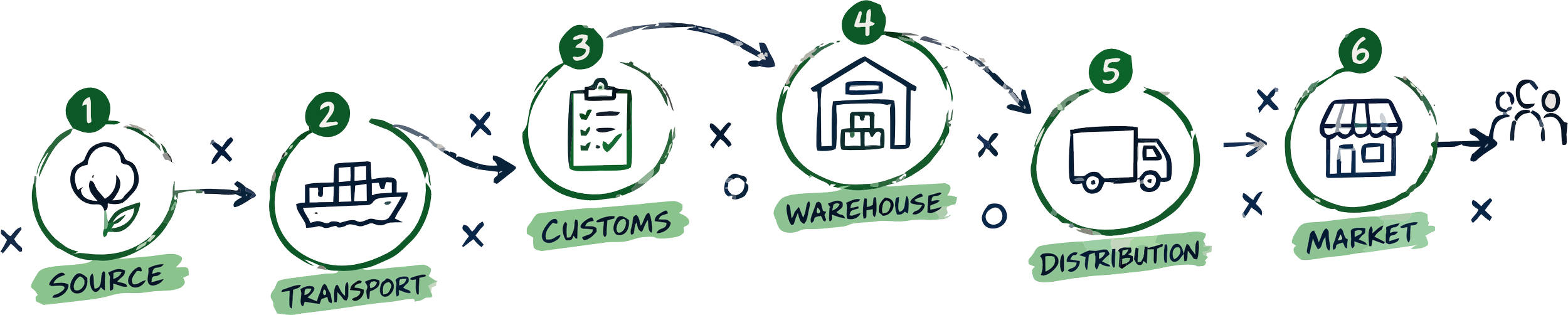
Now customs is asking about the supply chain behind it: where the materials came from, who processed them, and how you know. Traceability and tariffs have become tightly intertwined.
That creates a new responsibility for importers. Being the importer of record is no longer a passive role. Importers need a new playbook.

The GenuTrace view: We see this every day. A claim of origin is now a statement an importer may have to defend. Documents show what a supplier says happened. Forensic testing shows whether the material itself is consistent with that claim. Together, they build what we call an evidence ecosystem.
What does a new playbook look like in practice?
Anthony DeFilippis: Importers should be playing offense. There is nothing more challenging than scrambling in the moment when customs asks a question and you don't have the answer ready. In sports they say a good offense is the best defense, and that applies here. Be prepared before the questions come.
What are the top three things importers need to get ahead of?
Anthony DeFilippis: I was on a call with a prospect earlier, and they were doing something a lot of importers don't: asking a lot of questions and starting early rather than late. That’s the mindset. Here are the three things I’d focus on.
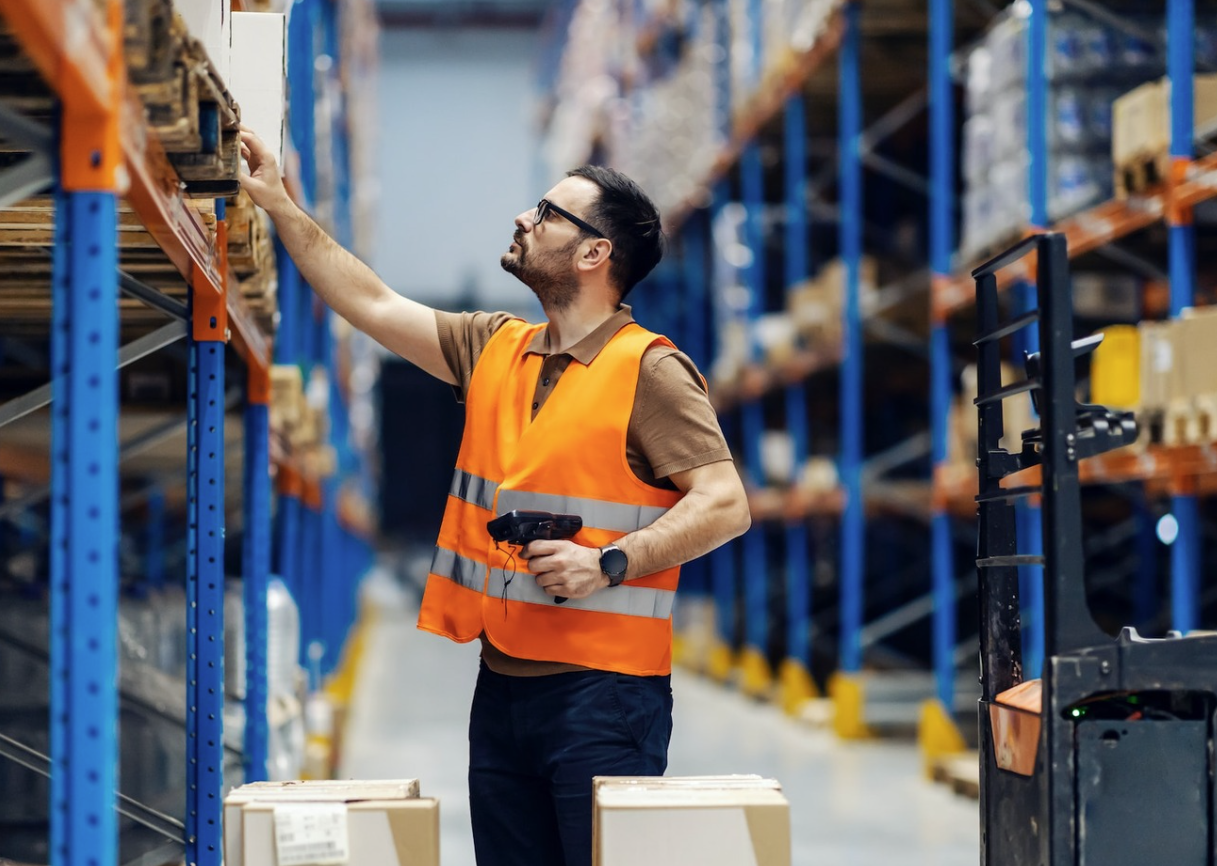
1. Know your supplier, deeply.
It’s no longer acceptable to say, “I bought this garment, and they manufactured it.” You need to know where the materials came from, verify it, and build a paper trail, including a bill of materials. Ask for certificates. Build trust with the supplier so that information flows openly.
Importing into the US once felt like ordering something online as a consumer. It showed up, and you didn't think much about how it was made. That is no longer acceptable for an importer.

2. Do the work before POs are placed.
Traceability and compliance should move upstream, to the product development stage. Don’t wait until the product is designed and you're trying to get it on the shelf in a few months. Start tracing the product early, not when it’s on the water. We’ve seen that go wrong far too many times.

3. Keep solid documentation and add independent verification.
It’s not enough to say, “My supplier told me it came from here.” Independent, third-party verification, like the work GenuTrace does, helps identify risk early, before goods are moving.
The GenuTrace view: It's significant to hear this from a customs broker. A few years ago, origin was treated as a paperwork question. Today, risk can sit anywhere in a supply chain, and the earlier it is found, the cheaper it is to fix. That is the thinking behind "Trace It Before You Make It": testing at the pre-production stage, when an importer can still change suppliers or materials, rather than after goods are detained.
Where are importers struggling most in this environment?
Anthony DeFilippis: Many importers are still looking at their customs broker, compliance and tariffs through the same lens they always have. The old playbook no longer works. And if your customs broker or service provider hasn’t made that shift either, you’re both operating on a dated playbook.
The answer is not to wait. Find a customs broker who acts as a strategic advisor, not just a filer of entries.


Why should a customs broker be a strategic advisor?
Anthony DeFilippis: I hear this all the time from accountants and lawyers: “I have so many clients reaching out to me about tariffs.” That makes sense up to a point. A tariff is a tax, so you talk to your accountant. There’s a legal and regulatory component, so you talk to your lawyer. But my question is always: why aren’t they talking to their customs broker?
If you’re a manufacturer, distributor or importer, your customs broker should be one of your top three business advisors. For many importers, tariffs and duties are a much bigger line item than corporate taxes.
Isn’t a tariff just a cost you have to absorb?
Anthony DeFilippis: I hear that a lot: “A tariff’s a tariff. There’s nothing I can do about it.” That simply isn’t true. There are more levers to pull than most people realize, from alternate sourcing to different mitigation strategies. The key is to bring your customs broker in early and build a plan together, not wait until the bill arrives.
The GenuTrace view: Every one of those levers depends on accurate origin information. A sourcing shift only reduces exposure if the material genuinely comes from where you think it does. Verification is what turns a sourcing strategy into a defensible one.

From claims to proof
The takeaway from this conversation is simple. The ship has left the dock. Importers are no longer judged on what they say about their products, but on what they can prove, with multiple points of evidence, before goods ship.
Customs brokers like CargoTrans are redefining their role from transaction processor to strategic advisor.
Verification partners like GenuTrace provide the independent evidence that makes that strategy hold up. Importers who bring both in early, at the product development stage, will be the ones playing offense.
Watch the full conversation on GenuTrace Insights.
Connect with Anthony DeFilippis on LinkedIn or at anthony@cargotransinc.com. Visit cargotransinc.com and subscribe to Freight Market Updates.
Talk to GenuTrace about verifying your supply chain before production: Visit genutrace.com or email us at sales@genutrace.com.
If you claim it, can you prove it?®
