
Global Recycling Day: Building Trust in Recycled Textiles
By MeiLin Wan
Editor’s Note: This article is part of the GenuTrace Insights Series on traceability and verification in global supply chains. A follow-up article will explore how digital twin systems, combined with physical detection and scientific verification, can strengthen confidence in recycled and responsibly sourced materials.
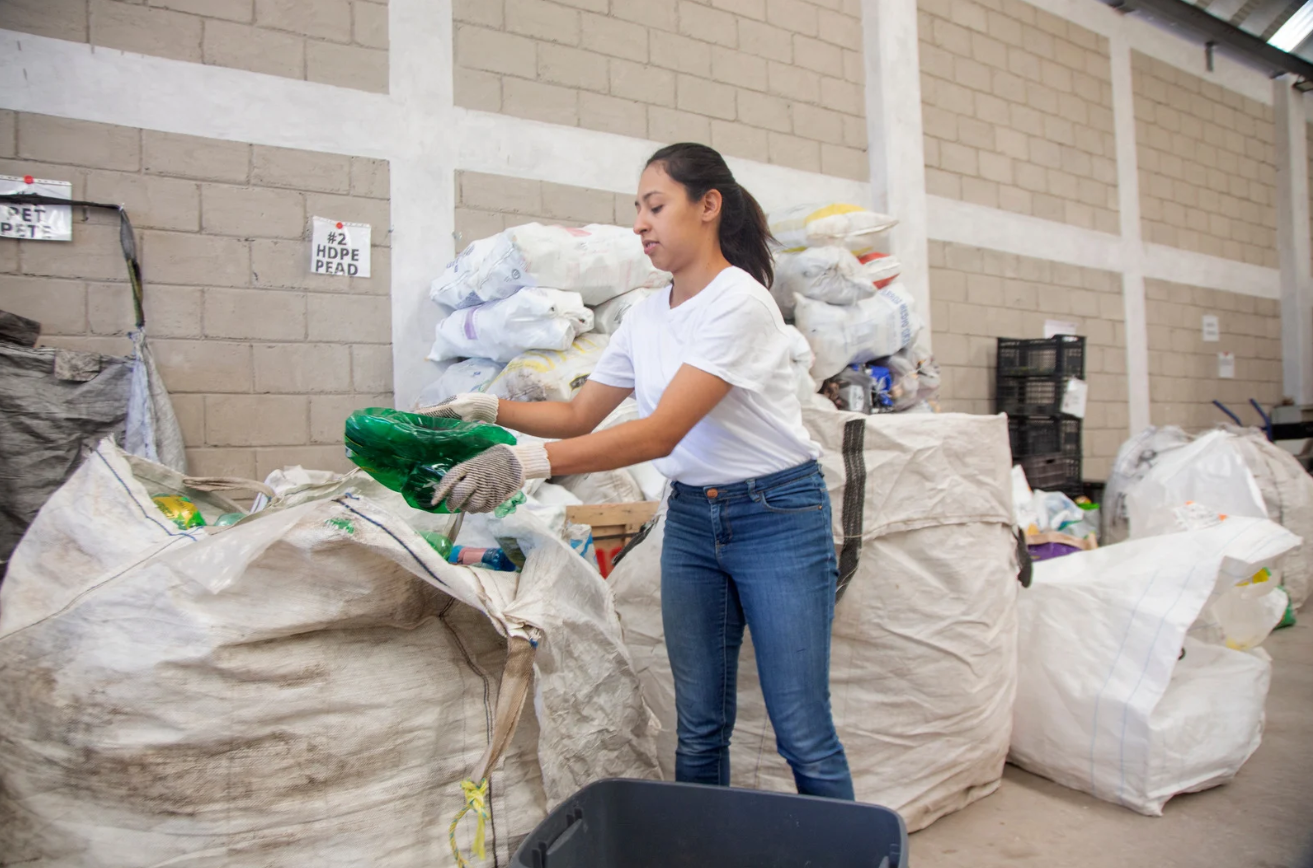
Each year, Global Recycling Day highlights the importance of recovering and reusing materials as the world moves toward a more circular economy. In the textile sector, this transition is accelerating as brands and manufacturers increasingly incorporate recycled fibers into their products in response to sustainability commitments, regulatory expectations, and consumer demand.
From recycled polyester derived from post-consumer plastics to emerging fiber-to-fiber recycling technologies designed to recover cotton and other natural fibers, innovation across the recycling ecosystem is expanding rapidly. These developments represent important progress toward reducing waste, conserving resources, and building more sustainable textile supply chains.
But as recycled materials become more integrated into global production networks, another critical question is emerging: How can we ensure that recycled material claims are accurate, consistent, and trustworthy?
If you claim it, can you prove it?®
For many years, sustainability claims in the textile industry have relied primarily on documentation, certifications, and supply chain declarations. While these systems play an important role in promoting transparency, they were not originally designed to verify complex material flows across today’s globalized and highly fragmented supply chains.
Materials often pass through multiple stages of transformation. Fibers are blended, spun, woven, dyed, and finished across different facilities and countries. Along the way, documentation may become separated from the materials themselves, and declarations can become increasingly difficult to verify.
As a result, recycled content claims, like many sustainability claims, are facing growing scrutiny from regulators, brands, and consumers alike.
The challenge today is not simply transparency. It is verifiability.
Connecting Materials to Data

Physical and digital authentication systems
As sustainability targets expand and regulatory expectations increase, companies are being asked to provide stronger evidence that materials align with the claims they make.
This shift is driving growing interest in technologies that can connect physical materials with digital traceability systems.
Digital platforms can capture valuable information about products and materials as they move through supply chains, including origin, composition, certifications, and environmental attributes. But digital records ultimately rely on one critical assumption, that the physical material continues to match the information recorded about it.
Without mechanisms to reconnect data with the material itself, that assumption can become difficult to maintain across complex production networks.
This is why many organizations are beginning to explore approaches that allow materials themselves to participate directly in traceability systems.
Linking Recycled Materials from the Beginning
One promising approach involves the introduction of physical tracers at the earliest stages of production.
In the case of recycled cotton, traceability can be particularly challenging. Cotton fibers are often blended during recycling and spinning processes, and once materials are mechanically or chemically transformed, it becomes difficult to distinguish recycled content using documentation alone.
Recycled materials are often most reliably traced using external physical tracers, such as those developed by Tailorlux Integrity Solutions, introduced early in the supply chain to maintain a persistent link between the material and its traceability data.
Tailorlux has developed optical marker technologies that can be embedded directly into textile materials and detected through specialized scanning systems. These markers allow materials to be identified quickly and non-destructively and-nondestructively during manufacturing and supply chain processes.
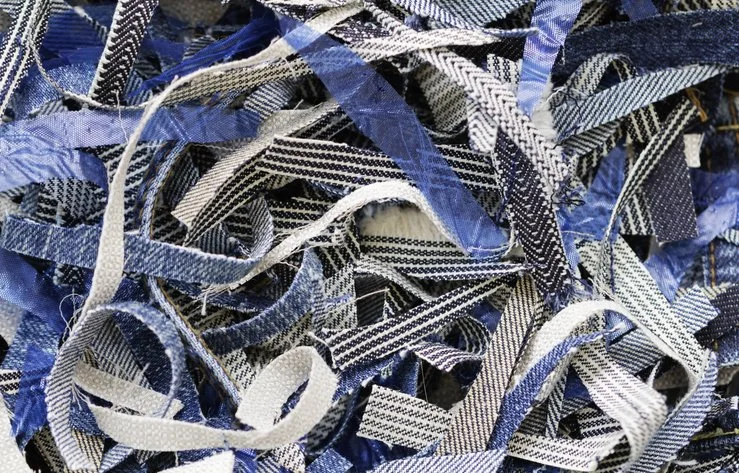
Physical tracers in recycled cotton feedstock

As Tobias Herzog, Managing Director of Tailorlux, explains: “When recycled materials enter a supply chain, the most important moment for establishing traceability is at the very beginning in the shredding or repolymerization. If you can create a physical link between the material and its digital identity from the start, you build a much stronger foundation for verification as the material moves through manufacturing. This is why we emphasize the verification of dosing the marker and link it to the verification points later in the supply chain.”
This approach is particularly valuable in recycled material systems where fibers may pass through multiple processing stages before reaching their final form.
According to Herzog: “Integrating a stable physical marker directly into the material during its formation at the Tier-4 level creates an intrinsic reference point. This material-bound anchor allows subsequent verification processes throughout the supply chain to consistently refer back to the material’s origin.”
The Role of Scientific Verification
While physical detection technologies help connect materials with digital traceability systems, scientific analysis plays an equally important role in evaluating the deeper characteristics of recycled materials.
At GenuTrace, we work with brands and manufacturers to verify material claims through scientific methods such as fi ber profiling, isotopic analysis, and other analytical approaches designed to evaluate the composition and characteristics of materials.
As Dr. Ling Dong, Principal Scientist at GenuTrace, explains: “For synthetic materials, physical and chemical methods can provide useful insight into recycled content. But for proving provenance and maintaining linkage of raw material from source through yarn, fabric, and finished goods, external physical tracers introduced early in the supply chain are often better aligned with that goal.”

Scientific verification helps assess whether materials are consistent with their declared sources and composition. When combined with traceability technologies, these approaches strengthen confidence in recycled materials and the claims associated with them.
Importantly, these methods work best as part of layered verification systems:
Digital traceability platforms capture and communicate supply chain data
Physical detection technologies connect materials directly to those digital systems
Scientific analysis validates complex material claims
Together, these layers help strengthen trust in recycled materials as they move through global supply chains.
Collaboration Across the Recycling Ecosystem
The future of sustainable recycled textiles will not be defined by any single innovation.

Circular supply chains depend on trust.
Progress will come from ecosystems of technology, science, and collaboration. Materials scientists, chemists, recyclers, manufacturers, traceability providers, and verification specialists all play a role in building supply chains that are both sustainable and trustworthy.
Recycling technologies continue to evolve rapidly. Fiber-to-fiber recycling systems are advancing, digital product passports are beginning to reshape how product information travels across supply chains, and new detection and verification technologies are strengthening the integrity of sustainability claims.
Ensuring that recycled materials remain credible will require cooperation across the entire textile ecosystem, from recyclers and manufacturers to scientists, technology providers, and brands.
As Herzog notes: “Circular supply chains depend on trust. The more we can connect materials, data, and verification technologies, the more confidence brands and consumers will have in recycled products.”
From Transparency to Verifiable Systems
Global Recycling Day reminds us that recycling is an essential component of building a more sustainable future.
But sustainability is not only about recovering materials. It is also about ensuring that the claims surrounding those materials remain credible as they move through increasingly complex global supply chains.
As expectations for transparency continue to rise, the industry is beginning to shift from documentation-based systems toward new approaches that connect materials, data, and scientific verification.
In this evolving landscape, technologies that link the physical world with digital traceability systems, often described as digital twins, are becoming increasingly important.
In our next article, we explore how digital twin systems are transforming supply chain traceability and how physical detection & scientific verification help ensure that digital records remain anchored to material reality.
Because ultimately, the question facing the textile industry is becoming increasingly clear:
If you claim it, can you prove it?® GenuTrace ensures you can.
Learn more about GenuTrace’s approach to recycled material traceability.

GenuTrace Insights: Global Recycling Day

MeiLin Wan, CEO & Founder, GenuTrace
MeiLin Wan is CEO and Founder of GenuTrace, a company specializing in science-based supply chain traceability, origin verification, and recycled material traceability. Her work focuses on helping brands, manufacturers, and retailers move beyond declared transparency to verifiable, defensible proof of material and sourcing claims. By integrating forensic fiber analysis, isotopic testing, and marker-enabled verification systems with digital traceability platforms, she works with organizations to strengthen confidence in recycled content, origin verification, and sustainability claims across global supply chains.
